Thursday, 19 January 2012

wonme & fashion image development
http://ephemeralnewyork.files.wordpress.com/2011/09/fifthave22ndstreet1975.jpg


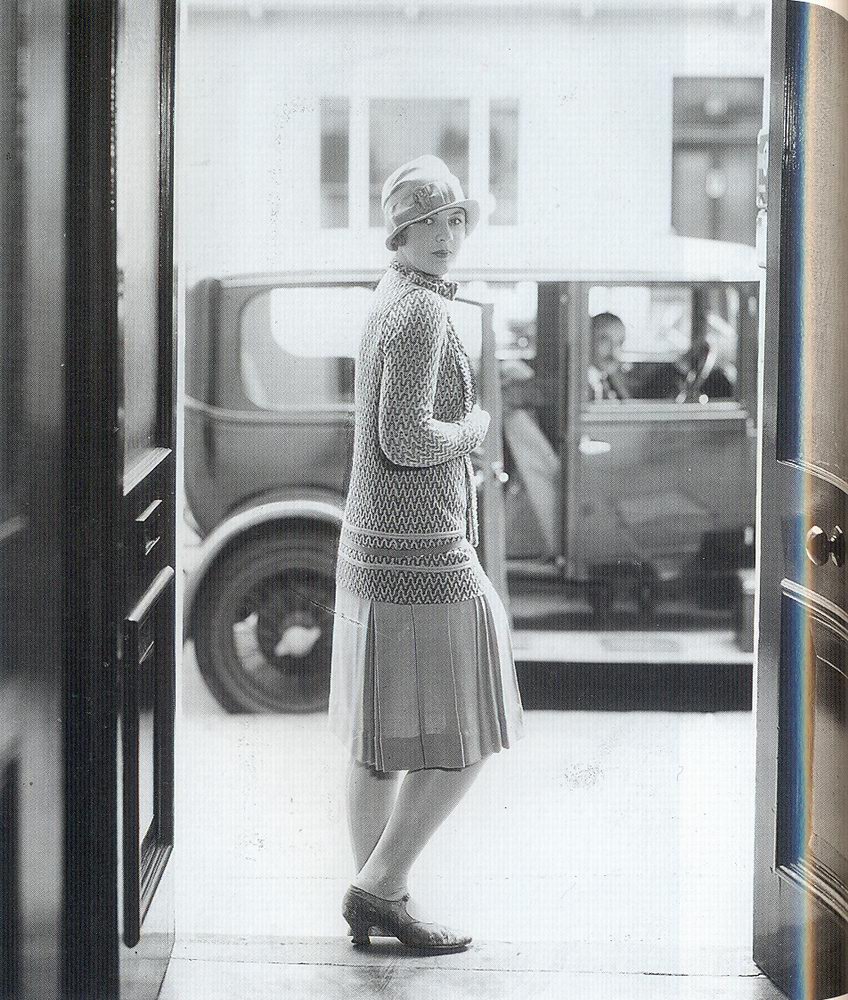

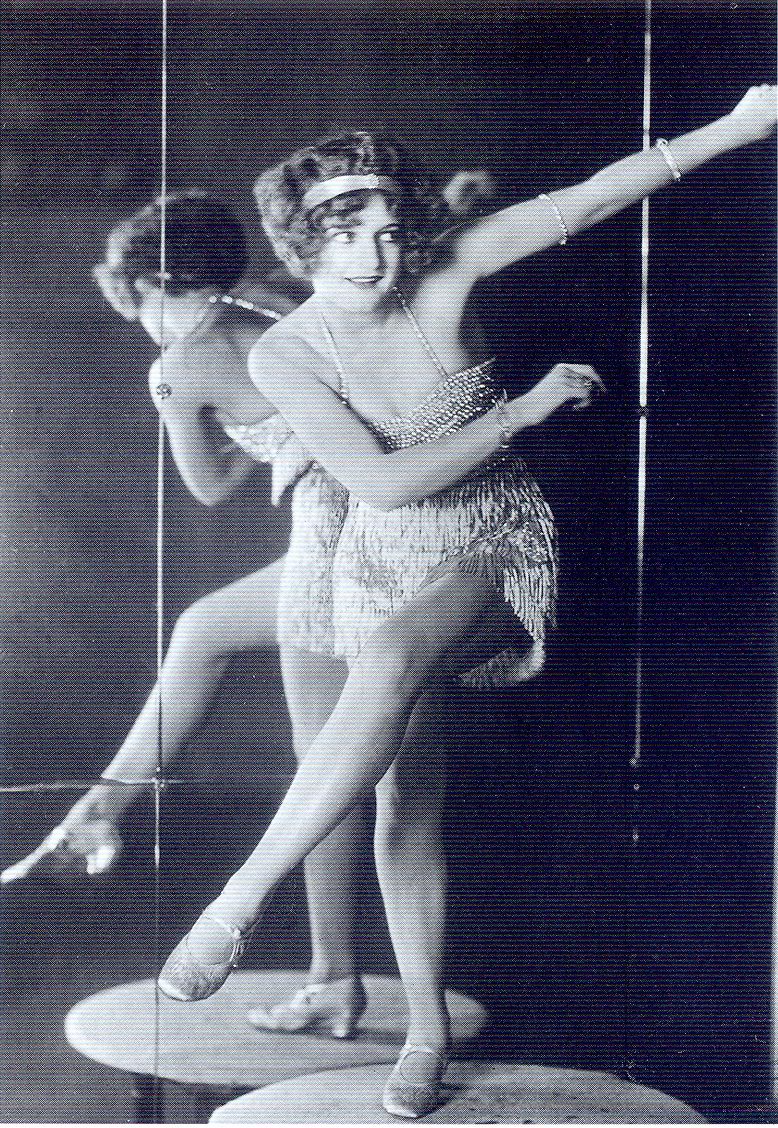


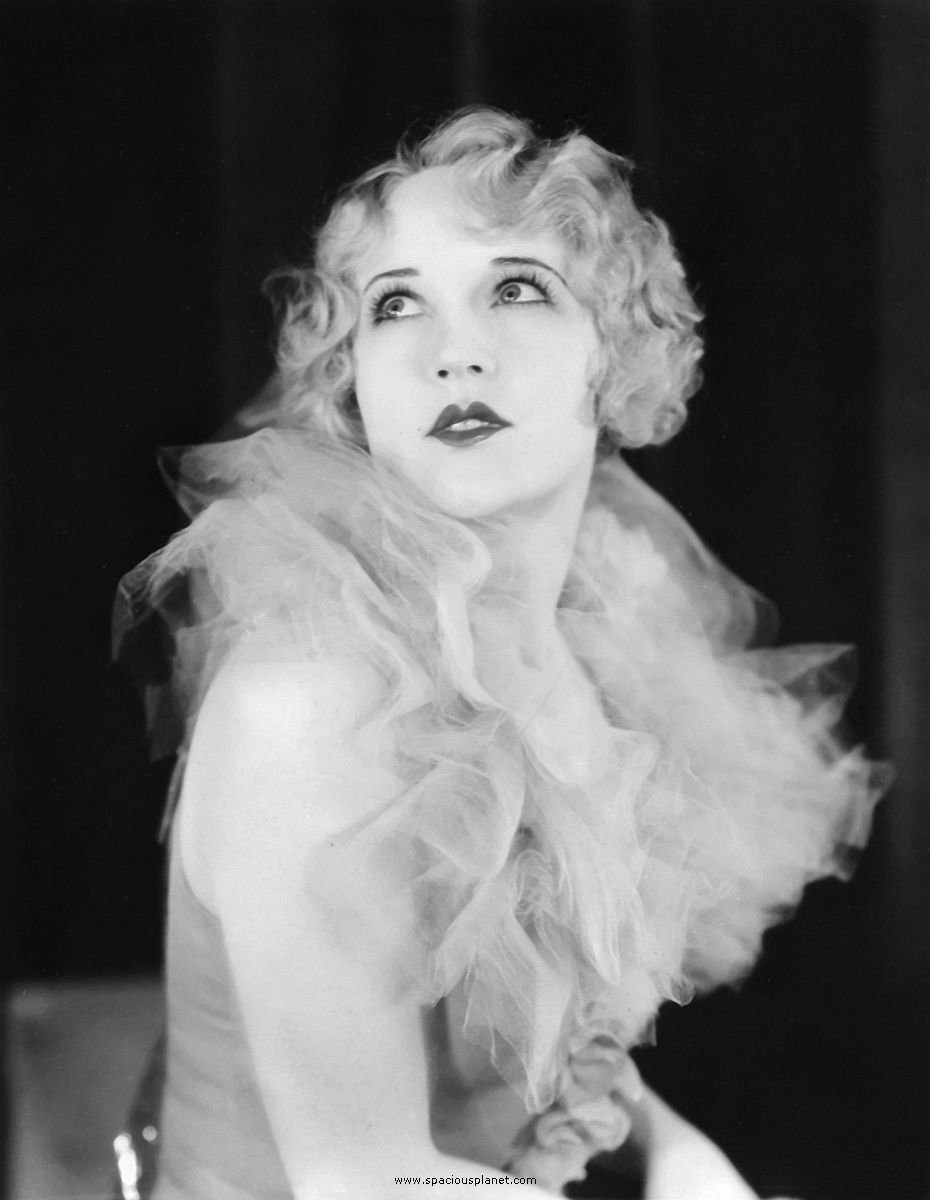
these are possible images i could use for my theme based on the women of the 20s and their personality and their fashion.
image 2: prohibiton

i used izzy as the foreground as he was a very famous prohibition officer. i liked how he has a drink in his hand as it shows how the concept had a hint of hypocritical.
the background is also cut out so it doesn't detract the attention is izzy.
prohibition image development
http://upload.wikimedia.org/wikipedia/commons/0/04/Izzy_Einstein_and_Moe_Smith.jpg
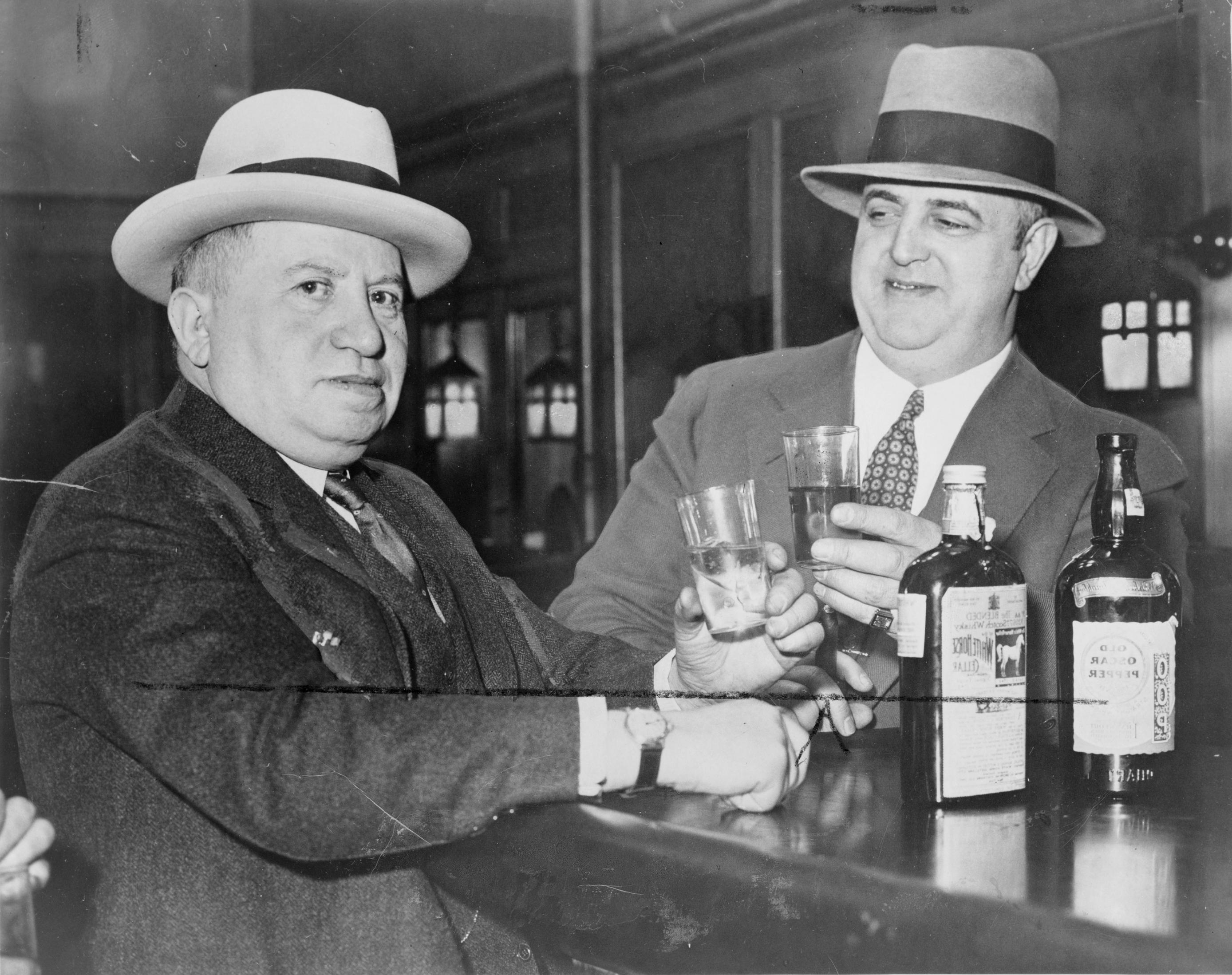


these are a series of images i could use for my prohibition image. i want to focus on the authority behind the prohibition and what was done such as pouring alcohol down drains.
Wednesday, 18 January 2012
image 1: jazz

- i used louis armstrong as the main image in the forground as he was famous jazz singer during the 20s
- behind him i used another image of the jazz band. the dark cut out help make the layer simple which doesn't detract as much attention from the main image
- the background if the cutout image of the speak easy to help establish a setting.
Jazz development images
the first image i shall create is based on the theme of jazz
http://www.allaboutjazz.com/media/large/f/c/1/4fff3972a8c062426fef4e2f57992.jpg


http://www.allaboutjazz.com/media/large/f/c/1/4fff3972a8c062426fef4e2f57992.jpg


using filter>artistic>cutout on photoshop i was able to edit this image to take out detail to make a more effective background. by doing this it will help keep focus on my main image in the forground


radio
http://www.angelfire.com/co/pscst/radio.html
Once radio signals could be transmtted and received with improved clarity around 1920, the idea of public radio began to take hold in America. The first public radio broadcasting station opened in Pittsburgh, 1922. It was an instant success; listeners would sit around the radio listening to everything that was broadcasted. As a result many more radio stations popped up during the 20s, some even over night.
http://entertainment.howstuffworks.com/radio-show.htm

Arguably the first massive media, radio became instrumental in providing information and entertainment in homes across the United States after the World War I. Radio programming grew in popularity through the Depression because it was virtually free and tied listeners around the nation into national events, local news, music and entertainment programs without requiring they spend money on going out. What's now considered the age of golden radio -- the 1920s through the end of the 1950s -- spawned a spate of entertainment shows and genres that still resonate in other mediums today.
http://www.vintageperiods.com/

Once radio signals could be transmtted and received with improved clarity around 1920, the idea of public radio began to take hold in America. The first public radio broadcasting station opened in Pittsburgh, 1922. It was an instant success; listeners would sit around the radio listening to everything that was broadcasted. As a result many more radio stations popped up during the 20s, some even over night.
http://entertainment.howstuffworks.com/radio-show.htm

Arguably the first massive media, radio became instrumental in providing information and entertainment in homes across the United States after the World War I. Radio programming grew in popularity through the Depression because it was virtually free and tied listeners around the nation into national events, local news, music and entertainment programs without requiring they spend money on going out. What's now considered the age of golden radio -- the 1920s through the end of the 1950s -- spawned a spate of entertainment shows and genres that still resonate in other mediums today.
http://www.vintageperiods.com/

Subscribe to:
Posts (Atom)